Soft, Creamy, and Completely Irresistible: Your Guide to Fresh Cheeses Worth Obsessing Over

Somewhere along the way, the cheese world decided that age equals prestige. The older, the moldier, the more it smells like a gym locker — the better, apparently. And look, we love a funky aged wheel as much as anyone. But there's a whole category of cheese that gets quietly overlooked at every dinner party, every charcuterie spread, and every grocery store visit: fresh cheese.
Fresh cheese is exactly what it sounds like — cheese that hasn't been aged, or has only been lightly aged for a very short time. It's soft, it's moist, it's often spreadable, and it is absolutely delicious. If you've been sleeping on ricotta, burrata, fromage blanc, or fresh chèvre, consider this your very enthusiastic wake-up call.
So What Exactly Makes a Cheese "Fresh"?
Great question. Fresh cheeses are made by acidifying milk (sometimes with cultures, sometimes with an acid like vinegar or lemon juice), allowing it to curdle, and then draining off the whey — usually without pressing or aging the curds. The result is a cheese that still tastes like, well, milk. Bright, clean, slightly tangy, and incredibly versatile.
Because they skip the aging cave entirely, fresh cheeses tend to have higher moisture content and a shorter shelf life. That's not a flaw — it's a feature. It means what you're eating is as close to the source as cheese can get.
The Fresh Cheese Lineup: A Who's Who
Not all fresh cheeses are created equal, and knowing the difference will make you a much more interesting person at parties.
Ricotta — The gentle giant of the fresh cheese world. Made from whey (often a byproduct of other cheesemaking), ricotta is mild, slightly sweet, and fluffy. It belongs on pasta, on toast, in cannoli, and honestly just eaten by the spoonful over the sink at midnight. No judgment.
Burrata — Mozzarella's more dramatic cousin. It's a shell of fresh mozzarella wrapped around a creamy, almost liquid center of stracciatella and cream. When you cut into a good burrata, it collapses in the most satisfying way. Drizzle with good olive oil, add some flaky salt, and you've basically won dinner.
Fresh Chèvre — Tangy, bright, and made from goat's milk, fresh chèvre is the one that converts people who think they don't like goat cheese. Spread it on a cracker, crumble it over a salad, or roll it in herbs and put it on your cheese board. It's endlessly useful and genuinely delicious.
Fromage Blanc — France's answer to cream cheese, but lighter and less tangy. It's thick, spreadable, and works beautifully in both sweet and savory applications. Think of it as the Swiss Army knife of fresh cheese.
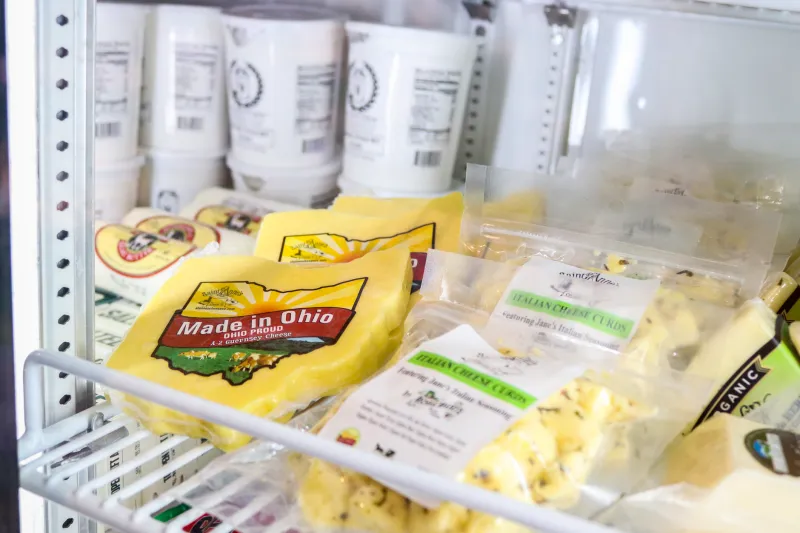
Queso Fresco — A staple of Mexican cuisine and wildly underrated in the broader American cheese conversation. It's mild, crumbly, and salty — perfect for crumbling over tacos, enchiladas, or roasted vegetables. American cheesemakers are making some excellent versions right now.
Cottage Cheese — Yes, we're including it. The cottage cheese comeback is real, and the artisan versions being made by small American creameries are nothing like the watery tubs you remember from childhood. Rich, full-fat, small-curd cottage cheese is genuinely worth seeking out.
Why Fresh Cheese Belongs on Your Board
Here's the thing about building a great cheese board: contrast is everything. You want a range of textures, flavors, and milk types. Fresh cheese provides the soft, creamy, mild counterpoint that makes the aged and funky cheeses on your board taste even better by comparison.
A log of fresh chèvre next to a sharp aged cheddar? Perfect. A scoop of whipped ricotta alongside a crumbly aged gouda? Brilliant. Fresh cheese is the palate cleanser that keeps the whole board interesting from the first cracker to the last.
Also — and we cannot stress this enough — fresh cheese is incredibly approachable. Not everyone at your gathering is going to be thrilled about the washed-rind that smells like it has opinions. But almost everyone will happily spread some burrata on a piece of crusty bread. Fresh cheese is your crowd-pleaser, your secret weapon, your diplomatic solution to the problem of guests with timid palates.
How to Store Fresh Cheese (Without Wasting Any)
Because fresh cheeses have higher moisture content, they're more perishable than their aged counterparts. Here's how to keep them happy:
- Keep it cold. Fresh cheese lives in the coldest part of your fridge, not the cheese drawer. Aim for 34–38°F.
- Keep it covered. Exposure to air dries out the surface and invites off-flavors. Store in an airtight container or keep it in its original brine (for fresh mozzarella and burrata).
- Use it quickly. Unlike an aged cheddar that can hang out in your fridge for weeks, fresh cheese should be used within a few days of opening. Plan accordingly.
- Don't freeze it. The high moisture content means fresh cheese freezes poorly — the texture turns grainy and sad. Just buy what you'll use.
Where to Find Great Fresh Cheese in America
The good news: American cheesemakers are producing outstanding fresh cheeses right now, and you don't have to fly to Italy or France to find them. Farmers markets are a fantastic place to start — many small creameries sell fresh chèvre, ricotta, and fromage blanc that was made within the last 48 hours. That's freshness you simply cannot get from a grocery store shelf.
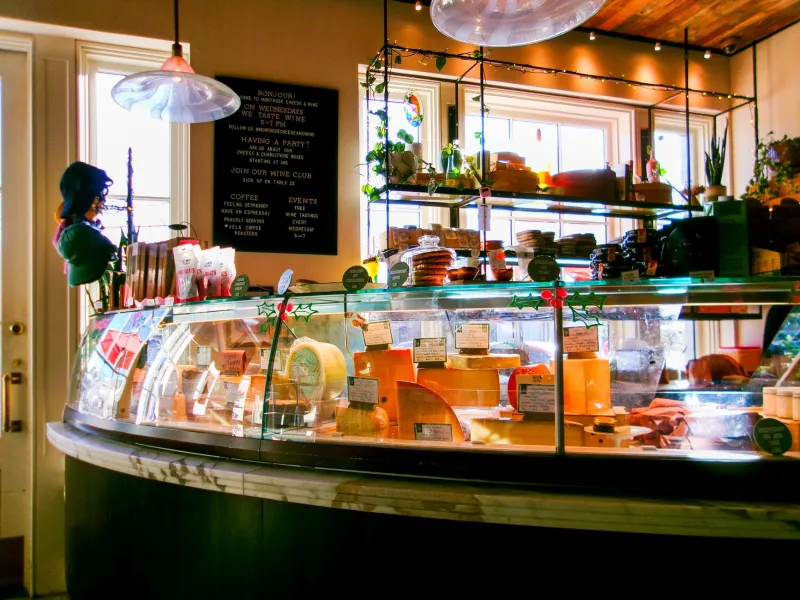
Specialty cheese shops and artisan cheese delivery services (hi, that's us) are also excellent sources. When you order through a curated service, someone has already done the work of finding the best producers — you just get to enjoy the results.
Look for fresh cheeses from Vermont, California, Wisconsin, and Texas, where thriving artisan dairy scenes are producing some genuinely world-class product.
The Bottom Line
Fresh cheese isn't a consolation prize for people who can't handle the funky stuff. It's a category unto itself — one that showcases the pure, clean flavor of great milk and the skill of the cheesemaker who handled it with care. Whether you're building a board, cooking a weeknight dinner, or just looking for something to put on a piece of toast that will make you feel like a person who has their life together, fresh cheese is the answer.
Give it the respect it deserves. Your taste buds — and your guests — will thank you.