Wine Pairing for Cheese Lovers Who Don't Want a Lecture: A Practical Guide
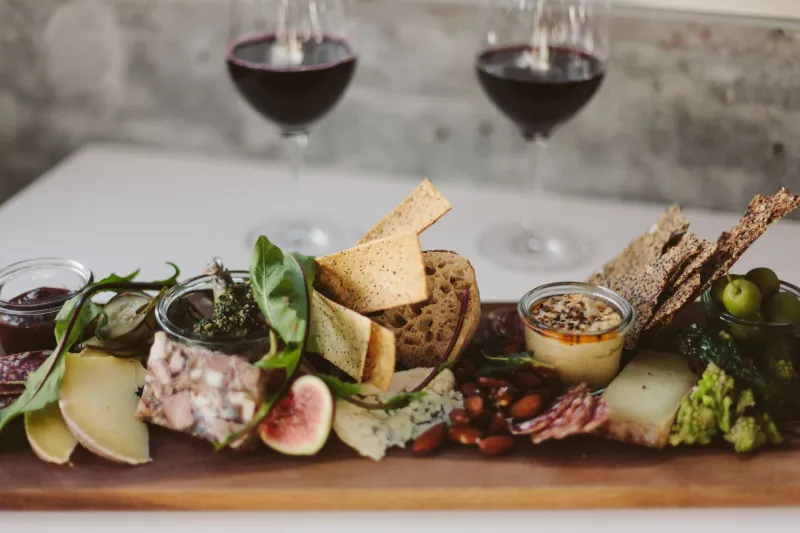
Here's the thing about wine and cheese pairing advice: most of it comes wrapped in so much jargon and so many caveats that by the time you've finished reading, you've lost your appetite and your will to entertain. Tannin structure! Terroir! Malolactic fermentation!
We're going to try a different approach. This guide assumes you like cheese, you like wine, and you'd like to enjoy them together without feeling like you're taking a final exam. Everything here is practical, everything is flexible, and nothing requires you to swirl, sniff, and pronounce on the "mid-palate" unless you genuinely want to.
Let's go.
The One Rule That Actually Matters
Before we get into specifics, here's the principle that underlies every successful cheese-and-wine pairing ever made:
What grows together, goes together.
This is the oldest trick in the European food playbook, and it works because it's true. French cheeses tend to pair beautifully with French wines. Italian cheeses and Italian wines were basically made for each other. And American artisan cheeses? They're doing something genuinely exciting with American wines — particularly from California, Oregon, and the Pacific Northwest.
When in doubt, think regionally. The farmers and winemakers in the same geography have been working out these combinations for generations.
Fresh and Young Cheeses: Go Light and Bright
Fresh goat cheese, ricotta, young mozzarella, fromage blanc — these are delicate, tangy, and high in moisture. They need wines that match their lightness rather than overpowering them.
What works:
- Sauvignon Blanc (especially from California's Sonoma Coast or New Zealand)
- Dry Riesling
- Dry Rosé
- Sparkling wine — Cava, Prosecco, or American sparkling from California
- Pinot Grigio
Why it works: The acidity in these wines mirrors the tang in fresh cheese, creating a clean, refreshing combination. Heavy reds would completely flatten a fresh chèvre. Don't do it.
A practical pairing: Fresh goat cheese log + California Sauvignon Blanc + a drizzle of honey. Simple. Elegant. Absolutely delicious.
Soft, Bloomy-Rind Cheeses: Bubbles Are Your Best Friend
Brie-style and Camembert-style cheeses — creamy, buttery, with that gorgeous white rind — are the classic sparkling wine pairing for a reason. The bubbles cut through the fat. The yeastiness in the wine echoes the earthiness in the rind. It just works.
What works:
- Champagne (if you're feeling fancy)
- American sparkling wine from California or New Mexico
- White Burgundy or a good California Chardonnay (unoaked or lightly oaked)
- Light-bodied Pinot Noir
What to avoid: Big, tannic reds. They'll make the cheese taste metallic and slightly bitter. Trust us on this one.
A practical pairing: A domestic Brie-style cheese + California sparkling wine + sliced green apples. This is the pairing you serve when you want people to think you really know what you're doing.
Semi-Firm and Aged Cheeses: The Versatile Middle Ground
Aged Gouda, American cheddar, Gruyère-style, Manchego-style — these are the workhorse cheeses that pair with the widest range of wines. They have enough structure to stand up to bigger wines, but enough nuance to reward more delicate ones.
What works:
- Medium-bodied reds: Pinot Noir, Grenache, Merlot
- White Burgundy or California Chardonnay
- Dry Sherry (Fino or Amontillado) — wildly underrated with aged cheeses
- Riesling (off-dry)
- Hard cider, which is technically not wine but absolutely belongs in this conversation
A practical pairing: A two-year aged American cheddar + Oregon Pinot Noir + sliced pear. This is the fall pairing that makes people go quiet for a moment because they're actually thinking about what they just tasted.
Bold, Washed-Rind Cheeses: Fight Fire With Fire
Washed-rind cheeses — the funky ones, the ones that announce their presence when you open the package — need wines that can hold their own. Delicate whites will get steamrolled. You need something with personality.
What works:
- Gewürztraminer (aromatic, slightly sweet, and surprisingly great with stinky cheese)
- Off-dry Riesling
- Pinot Gris from Oregon or Alsace
- Amber/orange wine
- Belgian-style ales (again, not wine, but essential)
What to avoid: Tannic reds. Same reason as before — they clash with the pungency in a way that's unpleasant for everyone.
A practical pairing: A washed-rind American cheese + Gewürztraminer + fig jam. The sweetness in the wine and the jam tames the funk in the most satisfying way possible.
Blue Cheese: Go Sweet or Go Home
Blue cheese is the classic case of contrast pairing done right. The saltiness and intensity of a great Maytag Blue or Rogue Creamery Smokey Blue is perfectly balanced by something sweet and rich.
What works:
- Sauternes or other dessert wines
- Port (Ruby or Tawny)
- Ice wine
- Late-harvest Riesling
- A bold, fruit-forward Zinfandel if you want to go savory-on-savory
A practical pairing: Rogue Creamery Crater Lake Blue + a small pour of Tawny Port + a handful of candied walnuts. This is a cheese course that ends a dinner party on an absolute high note.
The Permission You've Been Waiting For
All of these guidelines are exactly that — guidelines. The best pairing is the one you enjoy, with the people you like, using the cheese and wine you actually have on hand. Experiment. Try unexpected combinations. Take notes if you're nerdy about it (we are, and we're not ashamed).
The goal is always the same: more delicious moments, more great cheese, and a little less anxiety about doing it "right." You've got this.