Melt, Scrape, Repeat: Your Complete Guide to Throwing a Raclette Night Everyone Will Be Talking About Monday Morning
Fondue gets all the glory. It shows up in every "cozy winter entertaining" listicle, it has its own dedicated pot, and it's been the mascot of cheese-forward dinner parties for decades. But fondue has been hogging the spotlight long enough, because there's another Swiss cheese tradition in town — and honestly? It might be even more fun.
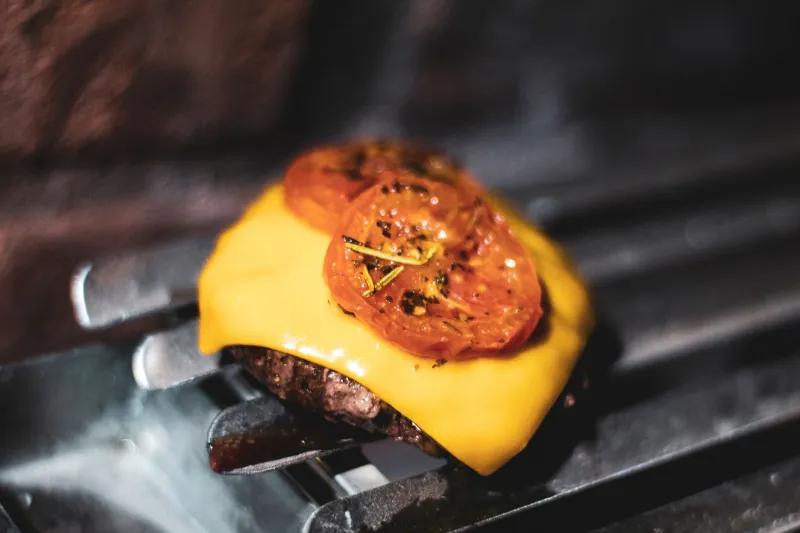
Enter raclette. Pronounced "rah-KLET" (not "rack-a-let," and yes, your guests will try), this centuries-old Alpine ritual involves melting a half-wheel of cheese under a heat source and scraping the molten, bubbling result directly onto whatever delicious thing is sitting on your plate. Potatoes. Charcuterie. Cornichons. Bread. Your finger, if you're not careful. The word "raclette" literally comes from the French verb racler, meaning "to scrape," which tells you everything you need to know about the vibe of the evening.
Raclette nights are interactive, endlessly customizable, and genuinely hard to stop once you've started. Here's how to pull one off without breaking a sweat — or a single cheese rind.
First, the Gear (Don't Skip This Part)
Unlike a cheese board, raclette does require a small equipment investment. But before you panic, know that tabletop raclette grills have gotten wildly affordable, widely available, and honestly kind of adorable.
The classic setup is a tabletop electric raclette grill — typically a flat grilling surface on top and a series of small individual trays (called coupelles) that slide underneath the heating element. Each guest gets their own tray, loads it with a slice of cheese, slides it under the heat, and waits for the magic. Most models designed for home use seat four to eight people and run anywhere from $40 to $150. Brands like Swissmar and Cuisinart make solid, widely available options that won't require a second mortgage.
If you want to go full traditionalist, you can find raclette half-wheel melters that use a radiant heat element to melt the cut face of the cheese directly — you then scrape it tableside with a special knife. This is dramatic, impressive, and absolutely the move if you're trying to become the most talked-about host in your friend group. Fair warning: it's a bigger investment and works best with an actual raclette half-wheel, which you can source through specialty cheese shops or, conveniently, right here at CheddrBox.
For most home hosts, the tabletop electric grill is the practical, crowd-pleasing sweet spot.
The Cheese: Where the Real Decisions Get Made
Traditional raclette cheese — the Swiss or French variety bearing the same name — is the obvious starting point, and for good reason. It melts like a dream: smooth, creamy, and aggressively savory with a slightly funky, Alpine finish that coats everything it touches in the best possible way. Imported raclette is widely available at Whole Foods, Trader Joe's, and specialty cheese counters across the US, and it's worth seeking out the real thing at least once.
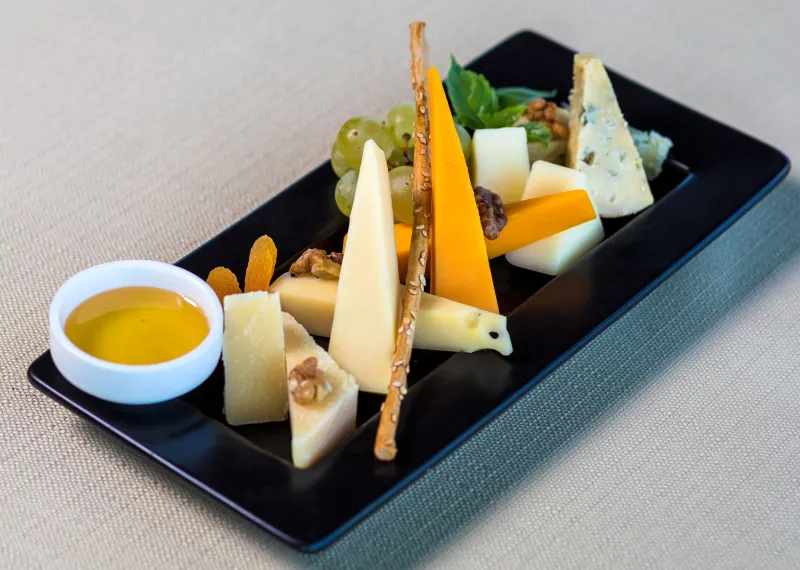
But here's where it gets fun: raclette night doesn't have to be a one-cheese show. A mix of two or three different melting cheeses turns the table into a choose-your-own-adventure situation, and your guests will absolutely lose their minds over the options.
Great cheeses to melt alongside traditional raclette:
- Gruyère — Nutty, complex, and an Alpine classic. It brings a slightly firmer texture and a deeper, almost caramel-like flavor.
- Fontina Val d'Aosta — Buttery and mild with a silky melt. A crowd-pleaser for anyone who finds raclette a little intense.
- American Taleggio-style or washed-rind cheeses — Several American artisan producers (looking at you, Wisconsin and Vermont) are making exceptional washed-rind cheeses that melt beautifully and bring serious personality to the table.
- Hook's Colby or a domestic Havarti — If you've got a guest who claims they "don't really like strong cheese" (we all have one), a mild, buttery domestic option keeps everyone in the game.
Plan on roughly 3 to 4 ounces of cheese per person per hour — and trust us, raclette nights run long. Budget generously.
The Accompaniments: Build Your Grazing Universe
The cheese is the star, but the supporting cast is what keeps people at the table until 11pm on a Tuesday. Raclette is traditionally served with a specific lineup of accompaniments, and every single one of them earns its place.
The non-negotiables:
- Baby potatoes, boiled or roasted — This is non-negotiable. Waxy varieties like fingerlings or baby Yukons hold their shape and act as the perfect landing pad for molten cheese. Boil them ahead, keep them warm in a low oven, and let guests load their plates at will.
- Cornichons — Those tiny French pickles cut through the richness of the cheese in a way that feels almost medically necessary. Don't skip them.
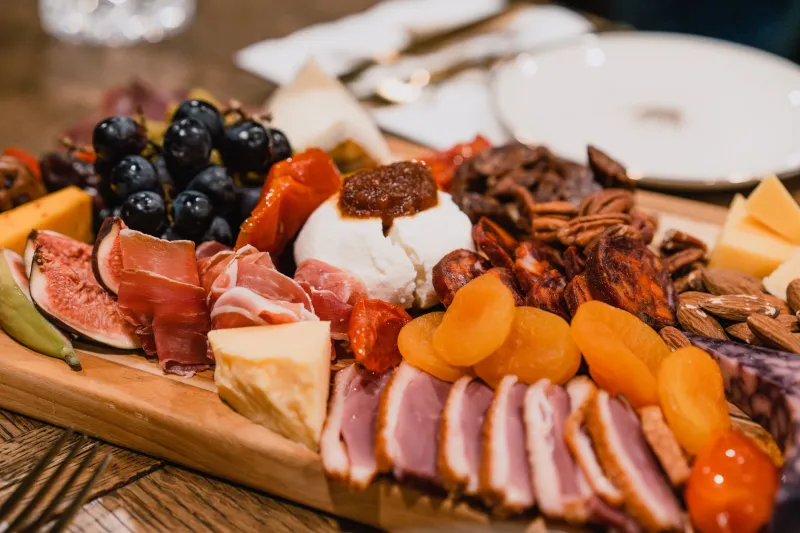
- Charcuterie — Prosciutto, soppressata, speck, or a good domestic salami. Thin-sliced cured meats draped under melted cheese is basically the platonic ideal of a snack.
The fun additions:
- Roasted mushrooms or broccolini (something vegetable-shaped to balance the guilt)
- Sliced crusty baguette or sourdough
- Pickled red onions or jalapeños if you want to introduce a little heat
- Whole-grain mustard for dipping
- Dried apricots or sliced pears — don't knock fruit-and-melted-cheese until you've tried it
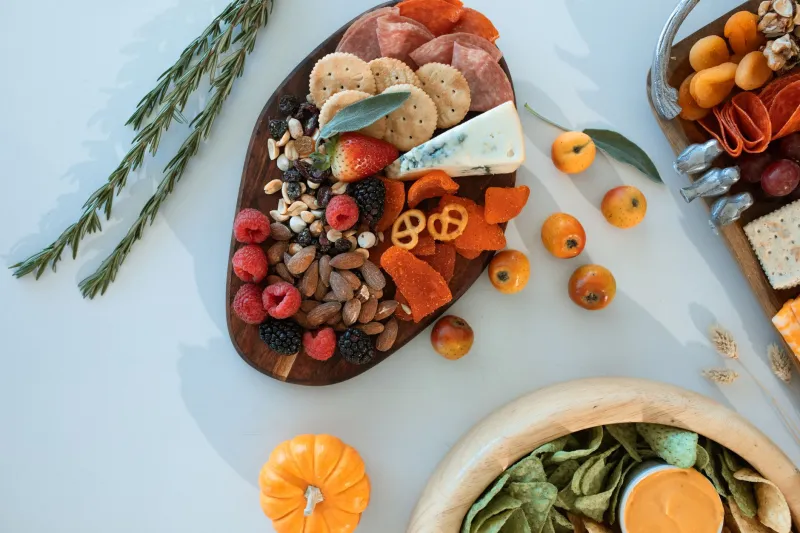
Arrange everything on the table family-style in small bowls and boards. Half the beauty of raclette is the spread itself, which looks like a farmers market and a charcuterie board had a very successful baby.
The Night-Of Playbook
Raclette is a slow, social meal — and that's the entire point. Set the grill up in the center of the table before guests arrive, lay out your accompaniments, and slice your cheese into thin, tray-friendly pieces. When everyone sits down, give a thirty-second tutorial ("cheese goes in the tray, tray goes under the heat, you'll know it's ready when it bubbles"), and then get out of the way.
The rhythm of a raclette night is deeply satisfying: load your tray, wait, scrape, eat, repeat. Conversations happen in the gaps. Opinions form about which cheese is best. Someone inevitably tries to melt two cheeses at once. Someone else loads their tray with cornichons "just to see what happens." It's chaotic and communal and genuinely one of the warmest ways to spend an evening with people you like.
Pair the whole thing with a crisp white wine — an Alsatian Pinot Gris, a dry Riesling, or a Swiss Chasselas if you can find one — or a light, malt-forward beer. Sparkling water with lemon is surprisingly perfect if you're keeping things alcohol-free.
One Last Thing
Raclette doesn't require you to be a trained cheesemonger, a seasoned entertainer, or someone who owns matching linen napkins. It requires a grill, some excellent cheese, and the willingness to let dinner become an event rather than just a meal. That's a pretty low bar for something that delivers this much joy.
So go ahead — clear your Saturday, call your people, and let the scraping begin. Your dining room table is about to become the most popular address in the neighborhood.