Made in America, Worth Every Bite: Your State-by-State Tour of the Country's Most Exciting Artisan Cheese Regions
Made in America, Worth Every Bite: Your State-by-State Tour of the Country's Most Exciting Artisan Cheese Regions
For decades, if you wanted to impress guests with a serious cheese board, the unspoken rule was to reach for something European. A French Comté here, an Italian Pecorino there, maybe a wedge of something Dutch with an unpronounceable name. American cheese, the thinking went, was the orange stuff that came in individually wrapped plastic squares.
That thinking is now laughably outdated — and the people doing the laughing are American cheesemakers who are quietly, confidently, and deliciously changing the conversation.
The U.S. artisan cheese scene has exploded over the past two decades. There are now more than 1,000 artisan and specialty cheesemakers operating across the country, and they're winning international awards, earning cult followings, and showing up on the boards of serious food people everywhere. So the next time you're curating a spread for guests — or just treating yourself on a Tuesday night — let's make the case for going domestic.
Here's your region-by-region tour of what's making American artisan cheese one of the most exciting food stories in the country right now.
The Northeast: Where It All Began (And It's Still Going Strong)
Vermont is, without question, the spiritual home of American artisan cheese. The state's rolling green hills, small-scale dairy farms, and deep agricultural roots created the perfect conditions for a cheesemaking renaissance that started gaining national attention in the 1980s and has never slowed down.
Vermont cheddar is the flagship — aged, sharp, sometimes crumbly, with a depth of flavor that has made it a staple on cheese boards from Portland, Maine to Portland, Oregon. But the state's producers have diversified wildly. You'll find washed-rind wheels that smell like they were aged in a haunted barn (a compliment), fresh chèvres that taste like a spring morning, and blue cheeses that rival anything from the Auvergne.
New York deserves its own paragraph. The Hudson Valley has become a genuine artisan cheese destination, with farmstead producers making everything from award-winning aged sheep's milk varieties to lush, spreadable fresh cheeses that pair magnificently with Hudson Valley honey. The concentration of culinary talent in the region — fueled in part by proximity to New York City's insatiable food culture — has made it one of the most innovative cheesemaking corridors in the country.
The Pacific Northwest: Bold Flavors, Brilliant Milk
Oregon and Washington don't always get the cheese spotlight they deserve, but ask any serious monger and they'll tell you: the Pacific Northwest is producing some genuinely extraordinary stuff.
The lush, rain-soaked pastures of the Willamette Valley in Oregon produce exceptionally rich milk, and the cheesemakers there have figured out exactly what to do with it. Aged tommes with earthy, mushroomy rinds, buttery triple-crèmes, and bold blue cheeses with serious backbone are all coming out of this region. There's also a strong goat cheese tradition here, with small farmstead producers making styles that range from fresh and lemony to aged and funky.
Washington State adds its own Pacific personality to the mix — clean, bright flavors that reflect the mineral-rich soils of the Cascades foothills, along with a thriving community of small-batch producers who are experimenting with unusual milk blends and aging techniques that you just don't see elsewhere.
California: The Golden State of Chèvre (and So Much More)
California has been making world-class goat cheese since before most Americans knew what chèvre was, and it remains one of the best domestic sources for fresh, tangy, herbaceous options that make any board feel instantly elevated.
The state's geography is almost unfairly advantageous for dairy. Cool coastal fog keeps herds comfortable and milk production consistent. Northern California's dairy-friendly counties have produced cheesemakers who've taken the French farmstead tradition and given it a distinctly California spin — think fresh chèvre rolled in local lavender or aged crottins dusted with Pacific sea salt.
But California's scene extends well beyond goat cheese. Aged sheep's milk wheels, nutty raw-milk varieties, and a growing number of producers experimenting with Mediterranean styles (this is California, after all — the climate practically demands it) mean the state has become a full-spectrum artisan cheese destination in its own right.
The Upper Midwest: America's Dairy Heartland Does Artisan Right
Wisconsin has been America's cheese capital for over a century, but the conversation has shifted from industrial production to artisan craft in a big way. The state is home to the nation's only Master Cheesemaker program — a rigorous, European-style certification that takes years to complete — and the producers who've earned that designation are making cheeses of extraordinary quality.
Wisconsin's Swiss and German immigrant heritage shows up in its cheesemaking traditions: aged alpine-style wheels, earthy goudas, and robust cheddars that have been refined over generations. But younger producers are pushing the boundaries, making washed-rind stinkers, experimental mixed-milk varieties, and aged blues that are winning awards at international competitions where American cheese wasn't even on the radar twenty years ago.
Minnesota is quietly building its own artisan scene, with small farmstead producers making everything from Scandinavian-influenced varieties to American originals that reflect the state's agricultural diversity.
The South and Southwest: Smokehouse Meets Creamery
This is where things get really interesting for adventurous cheese lovers.
Texas has developed a genuinely distinctive artisan cheese identity — and surprise, it involves smoke. Texas smoked cheeses, made by farmstead producers who've applied the state's legendary BBQ traditions to the creamery, are unlike anything you'll find anywhere else in the country. Applewood-smoked goudas, hickory-smoked cheddars, and even smoked fresh cheeses have become a regional signature that pairs brilliantly with the state's equally legendary charcuterie.
Beyond smoke, Texas producers are also making excellent fresh chèvres (the Hill Country's climate and terrain are surprisingly goat-friendly) and bold aged varieties that reflect the state's go-big-or-go-home culinary personality.
Tennessee and North Carolina are emerging players worth watching, with small Appalachian farmstead producers making cheeses that draw on both European traditions and distinctly American mountain heritage.
Building a Board That Celebrates American Terroir
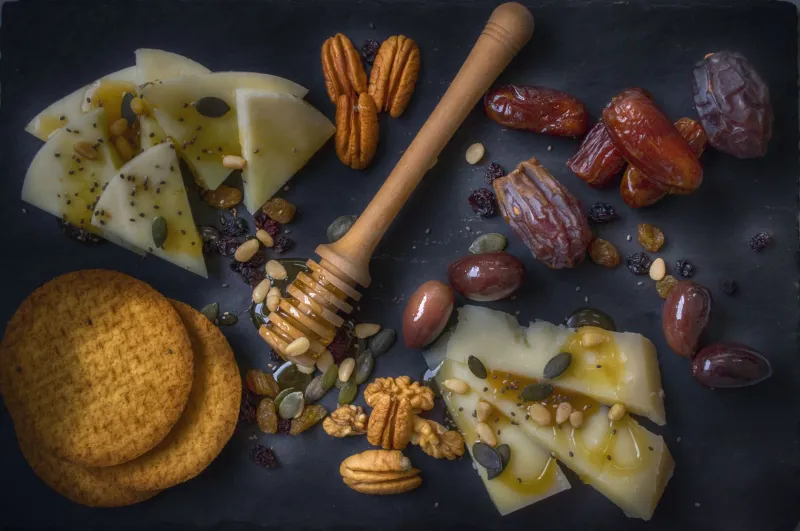
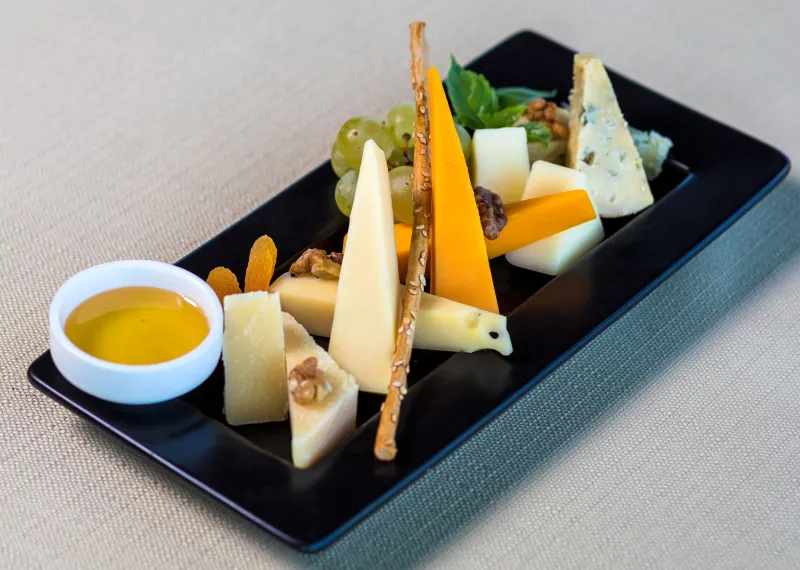
The beauty of exploring American artisan cheese through a regional lens is that it transforms your cheese board into a genuine conversation piece. Mix a sharp Vermont cheddar with a California chèvre, a Wisconsin alpine wheel, and a Texas smoked variety, and you've essentially built a cross-country road trip on a single slate board.
Add local American accompaniments — wildflower honey from the Carolinas, apple butter from the Northeast, hot pepper jelly from the South — and you've created something that's not just delicious but genuinely celebratory of what American food producers are accomplishing right now.
The world has been catching on for years. It's time for the rest of us to catch up — one extraordinary American-made wedge at a time.