Meat, Step Aside: How to Build an All-Cheese Spread That Steals the Whole Show
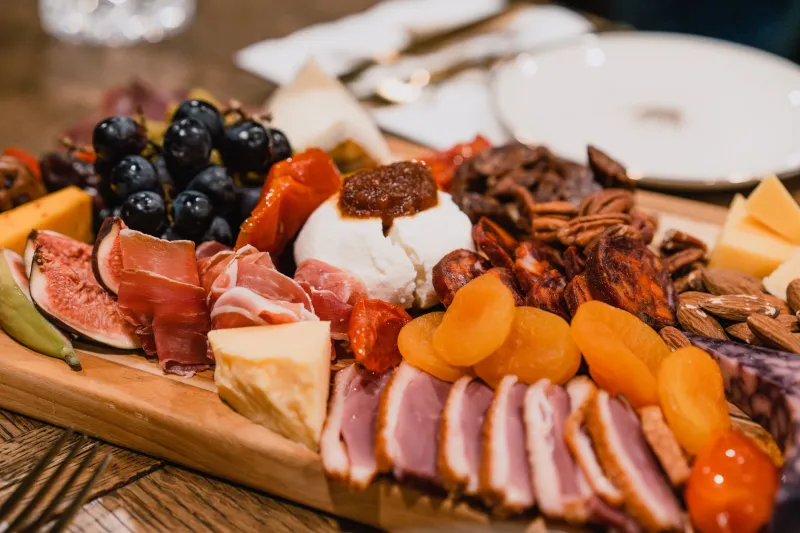
Somewhere between 2018 and right now, the charcuterie board became the official mascot of dinner parties, holiday gatherings, and roughly 90% of Instagram brunch posts. And look — we get it. Cured meats are delicious. A well-placed rosette of salami is genuinely satisfying. Nobody here is anti-prosciutto.
But here's the uncomfortable truth the cheese world has been whispering for years: all that meat has been stealing the spotlight from the actual headliner. The funky, creamy, complex, occasionally weeping wedge of artisan cheese that deserves its own standing ovation.
This is the year we fix that.
An all-cheese spread — no meat, no charcuterie, no distractions — is not a compromise. It's an upgrade. Done right, it's more interesting, more flavorful, and frankly more impressive than anything a rolled-up piece of ham could ever accomplish. Here's how to build one that'll have your guests hovering at the table for the entire evening.
Why the All-Cheese Spread Works (And Works Hard)
Think about what a traditional charcuterie board actually does: it gives guests a lot of similar flavors — salty, savory, fatty — with cheese tucked in as a supporting player. When you remove the meat entirely, something magical happens. Suddenly, people actually taste the cheese. They notice the difference between a nutty aged Gouda and a grassy raw-milk cheddar. They discover that a bloomy rind brie and a washed rind taleggio are as different as a pop song and a jazz standard.
An all-cheese spread forces the conversation to go somewhere more interesting. And at a dinner party, that's worth its weight in aged Parmigiano.
The Four Textures You Need on the Board
Building a great cheese-only spread is really an exercise in contrast. You want your guests moving from one experience to the next — soft to firm, mild to funky, fresh to deeply aged. Hit these four categories and you've got a spread that covers every palate in the room.
Fresh Cheese: Start light. A fresh chèvre, a creamy burrata, or a pillowy ricotta gives guests an easy on-ramp. These cheeses are approachable, bright, and slightly tangy — the palate cleanser that makes everything else taste sharper by comparison. Dollop fresh chèvre directly onto the board and drizzle it with a little honey. People will lose their minds.
Bloomy Rind: This is your showstopper centerpiece. A ripe triple-crème brie or a domestic Camembert — something with a white, velvety exterior that oozes dramatically when cut — gives the board visual drama and a buttery, mushroomy richness that feels genuinely luxurious. Let it come to room temperature for at least an hour before serving. Cold brie is a crime we don't take lightly.
Aged, Firm Cheese: Now you bring in the complexity. An aged Wisconsin cheddar, a domestic Manchego-style, or a raw-milk Gruyère-style Alpine cheese adds those deep, crystalline, nutty flavors that make people stop mid-conversation to figure out what they're tasting. Break these into rustic chunks rather than slicing them neatly — it looks more intentional and it's easier to eat.
Washed Rind: This one's for the adventurous. A washed rind cheese — think Taleggio, Époisses, or a domestic equivalent like Red Hawk from Cowgirl Creamery — has an assertive aroma and a surprisingly creamy, savory interior that converts skeptics every single time. Label it on the board. People appreciate the heads-up before they lean in for a sniff.
The Accompaniments: Your Supporting Cast
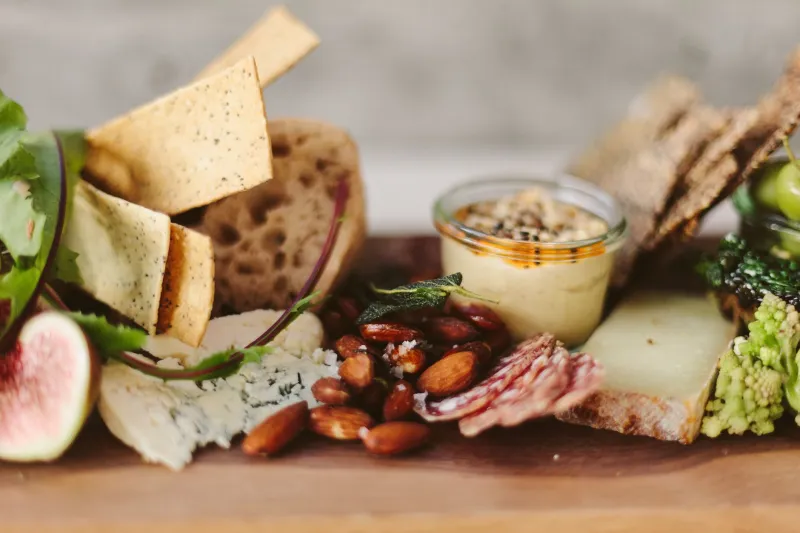
With no meat on the board, your accompaniments do heavier lifting. This is not the time for a sad bowl of crackers and a grape cluster you pulled from a bag. Think of these as flavor bridges — elements that enhance what's already on the board rather than compete with it.
- Honeycomb: Non-negotiable. The floral sweetness and waxy texture next to a salty aged cheese is one of the greatest combinations in human history. Full stop.
- Fruit preserves and jams: Fig jam with aged cheddar. Apricot preserves with bloomy rind. Sour cherry jam with a washed rind. These pairings write themselves.
- Fresh and dried fruit: Sliced pears, fresh figs, or a handful of Marcona almonds add color and textural contrast. Dried apricots and medjool dates work beautifully in cooler months when fresh fruit is harder to source.
- Pickled elements: A small dish of cornichons or pickled grapes cuts through richness and resets the palate between cheeses. This is the secret weapon most people skip.
- Crackers and bread: Offer variety — something neutral and thin for delicate fresh cheeses, something heartier and seeded for the aged selections. A sliced baguette is always correct.
Presentation: Make It Look Like You Meant Every Bit of It
Here's where a lot of people undersell themselves. The cheeses are great, the accompaniments are thoughtful, and then everything gets piled onto a cutting board in a panic fifteen minutes before guests arrive. Don't do that.
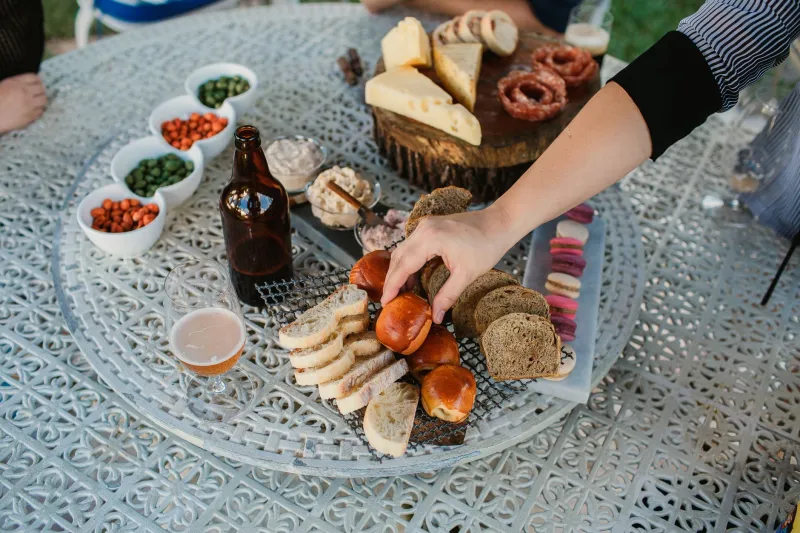
Start by placing your largest cheese — usually the bloomy rind centerpiece — slightly off-center on the board. Build outward from there. Tuck accompaniments into the negative space between cheeses rather than grouping them all together. Use small ceramic dishes or ramekins for anything liquid or sticky (honey, jam, olives). Scatter fresh herbs like thyme or rosemary across the board for color — they smell incredible and they photograph beautifully.
Small handwritten labels are a genuinely underrated move. You don't need calligraphy skills; a simple tent card with the cheese name and a one-line tasting note tells your guests you put thought into this. Because you did.
The CheddrBox Approach: Let the Cheese Tell the Story
One of the best things about going all-cheese is that each selection actually has a story worth telling. Where was it made? What animal's milk? How long was it aged, and in what conditions? These details turn a spread into a conversation — and that's exactly the kind of hosting moment that people remember long after the board is cleared.
When you're sourcing your cheeses, look for variety in origin as well as texture. Mix domestic artisan selections — there are extraordinary creameries in Vermont, California, Wisconsin, and across the country producing world-class wheels — with a couple of imported classics. The contrast between an American original and a centuries-old European tradition is its own kind of delicious.
The charcuterie board had a great decade. It really did. But the all-cheese spread isn't a trend — it's a correction. A long-overdue moment where the thing that was always most interesting about the board finally gets to be the whole point.
Pull out your best board. Skip the salami. Let the cheese run the show.
It's been waiting long enough.