The People Behind the Rind: Real Stories From the Cheesemakers Who Gave Up Everything to Follow the Curd
Here's something to think about the next time you crack open a CheddrBox delivery and peel back the wax paper on a beautifully aged wheel: someone quit something to make that cheese. A steady paycheck. A corner office. A country they loved. A farm that was bleeding money. At some point, a real human being looked at a vat of warm milk and thought, this is what I'm doing with my life — and then actually did it.
The artisan cheese renaissance in America isn't just a food trend. It's a collection of personal bets, each one made on instinct, stubbornness, and an almost irrational belief that the world needs better cheese. And honestly? The world does. Let's talk about a few of the people proving it.
The Spreadsheet Guy Who Became a Cheese Guy
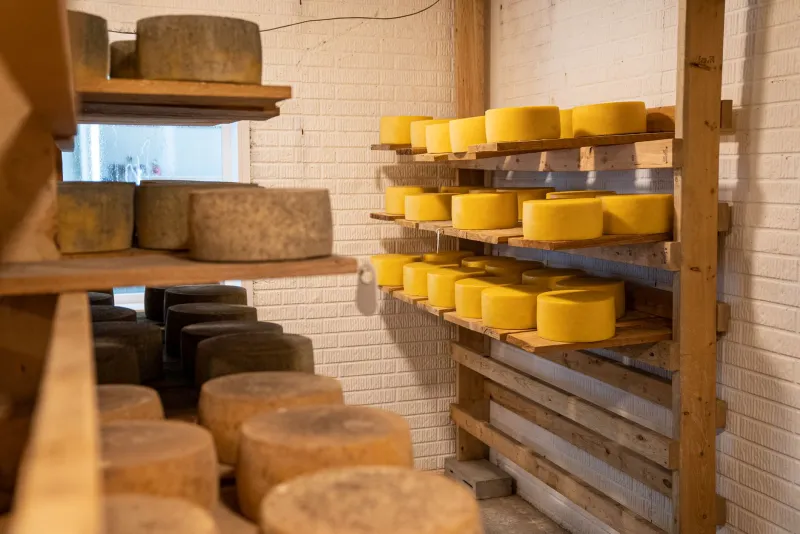
Before Mateo Serrano was waking up at 4 a.m. to check on aging wheels in a humidity-controlled cave in Vermont, he was waking up at 6 a.m. to answer emails from a hedge fund in Boston. By his own account, the transition was not smooth.
"I knew nothing," he's said in interviews. "I mean, I knew cheese tasted good. That was the extent of my expertise."
What he did know was that his wife's family had been farming a small plot of land in the Northeast Kingdom for three generations — and that the farm was, to use the technical term, hemorrhaging money. Dairy prices had cratered. The herd was aging. His in-laws were exhausted. Mateo, who had spent a decade modeling risk for a living, ran the numbers and came to the obvious conclusion: traditional commodity dairy was a losing game.
Artisan cheese, though? That was a different spreadsheet entirely.
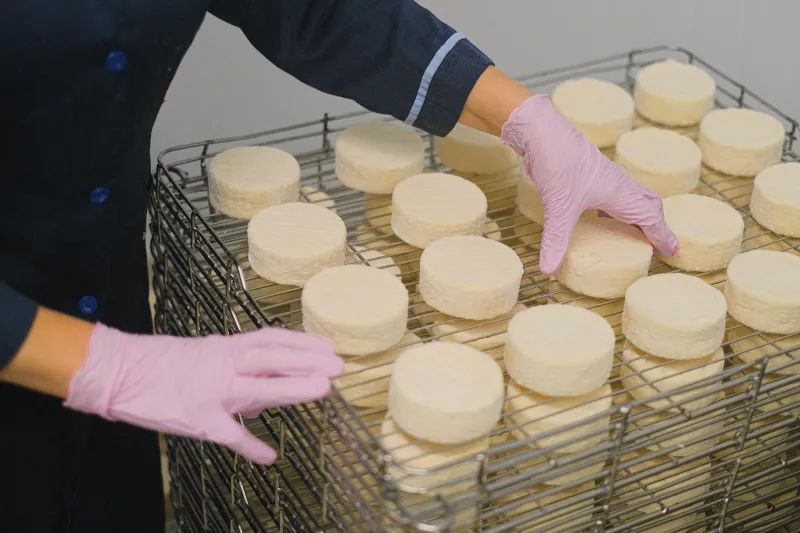
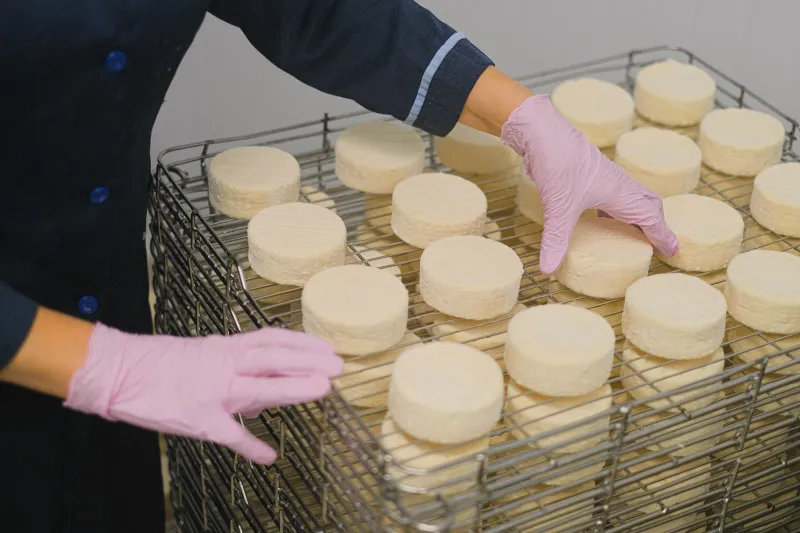
He spent two years apprenticing at a creamery in France — yes, he actually moved there — before coming back to Vermont to transform the family operation. Today, the creamery produces a small-batch alpine-style wheel that has earned national attention and a devoted following among people who take their cheese very, very seriously. The farm that was nearly sold is now a working creamery with a waiting list for certain seasonal releases.
The kicker? Mateo still makes spreadsheets. They're just about milk-to-yield ratios now.
She Brought the Recipe in Her Luggage
When Nadia Okonkwo immigrated to the United States from Nigeria in the late 1990s, she brought very few things with her. One of them was a handwritten notebook of recipes from her grandmother, including instructions for a soft, fresh cheese that had been made in her family's village for as long as anyone could remember.
For years, the notebook sat in a drawer. Nadia built a career in healthcare administration in Chicago, raised two kids, and made the cheese occasionally for family gatherings — where it was, by all accounts, an absolute revelation to anyone lucky enough to try it.
The nudge toward something bigger came from an unlikely source: her daughter, who entered a jar of Nadia's spiced cheese spread into a local food competition on a whim. It won. The flood of requests that followed was, Nadia has said, "too loud to ignore."
She now runs a small creamery outside of Milwaukee that produces a line of fresh cheeses drawing on West African flavor traditions — think warming spices, bright herbs, and a richness that doesn't taste like anything else in the American artisan cheese market, because it isn't. It's something genuinely new, built from something genuinely old, filtered through one woman's decision to stop keeping her grandmother's recipe in a drawer.
Her cheeses are harder to find than a mass-market block of cheddar, which is exactly why they matter.
The Third-Generation Farmer Who Refused to Quit
Not every artisan cheesemaker story starts with a career change. Some of them start with stubbornness — the particular brand of stubbornness that runs in farm families and keeps operations alive through conditions that would make any reasonable person walk away.
Lorraine Duchamp grew up on a goat farm in California's Central Valley that her grandparents had established in the 1960s. By the time she took over from her parents in her early thirties, the farm was surviving, but barely. The local market for fresh goat's milk had softened. Margins were thin. Her neighbors were selling to developers.
Lorraine's response was to get weird about cheese.
She started experimenting with aging techniques that most small American producers weren't attempting at the time — ash-coated rinds, extended cave aging, milk from specific seasonal grazing windows. She burned through savings. She made a lot of cheese that wasn't very good before she made cheese that was extraordinary. She drove to farmers markets herself for years before restaurants started calling.
Now, her aged chèvre is the kind of thing that shows up on the cheese courses of serious restaurants and in the boxes of people who know what they're looking for. The farm that her grandparents built is not just surviving — it's making something that people travel to taste.
She still occasionally drives to farmers markets herself. Old habits.
Why This Matters More Than You Think
Look, we're a cheese subscription company. We have a vested interest in you caring about artisan cheese. We'll be upfront about that.
But here's the thing: when you understand that the cheese on your board has a Mateo behind it, or a Nadia, or a Lorraine — someone who made a significant, sometimes terrifying, deeply personal choice to make this specific thing — it changes how you eat it. Not in a precious way. In a this is worth paying attention to way.
Commodity cheese exists to be convenient and consistent. Artisan cheese exists because someone decided that convenience and consistency weren't enough — that milk could become something that carries a story, a place, a set of hands, a grandmother's notebook.
Every wedge we put in a CheddrBox comes from a producer who made that bet. We think that's worth knowing. We also think it tastes significantly better, but the two things are not unrelated.
The Board Hits Different When You Know the Story
Next time you're setting up a spread for friends — unwrapping those wheels, arranging everything on the board, watching people reach for the good stuff — try telling them where it came from. Not in a lecture-y way. Just casually. The person who made this used to work in finance. This one is based on a recipe someone carried across an ocean. This one comes from a farm that almost didn't make it.
Watch what happens to the room.
Artisan cheese is delicious on its own merits. But the story behind the rind? That's the part that turns a snack into something you actually remember.