Your Mini Fridge Has a Secret Life: The Beginner's Guide to Aging Cheese at Home
Your Mini Fridge Has a Secret Life: The Beginner's Guide to Aging Cheese at Home
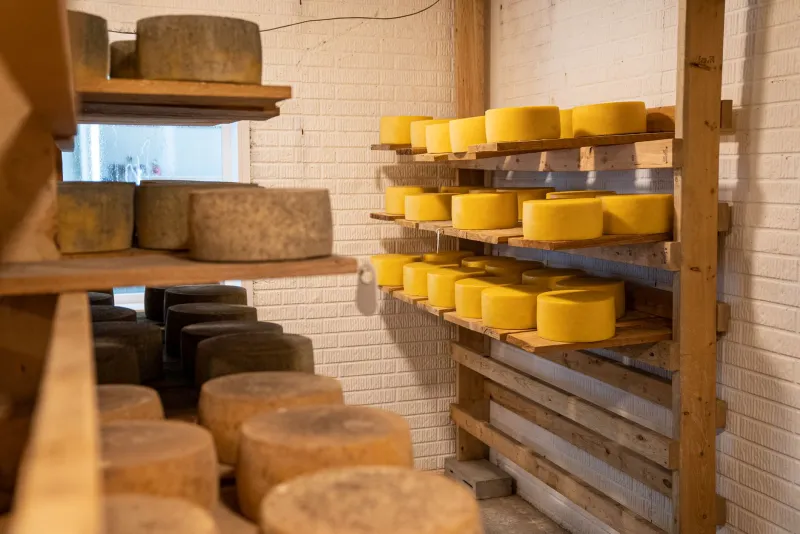
Somewhere between "I really like cheese" and "I have seventeen wheels labeled by date in a dedicated humidity-controlled cabinet," there's a sweet spot. It's called home cheese aging, and it's equal parts science experiment, meditation practice, and extremely delicious hobby. The best part? You don't need a centuries-old cave beneath your farmhouse to get started. You just need the right setup, a few beginner-friendly cheeses, and the patience of someone who genuinely believes good things are worth waiting for.
Welcome to the cave life. Population: you, a mini fridge, and a lot of exciting mold.
Why Age Cheese at Home in the First Place?
Fair question. After all, CheddrBox exists precisely so you don't have to do the hard work — we'll send you gorgeous artisan wheels from some of the most talented cheesemakers in the country. But there's something uniquely satisfying about watching a cheese evolve under your own watch. Aging at home deepens your understanding of what makes each style tick, and it gives you serious bragging rights at your next dinner party. "Oh, this cheddar? I aged it myself." Nobody beats that.
Beyond the social capital, home aging lets you customize. Want a gouda with a little more bite? Leave it longer. Curious what a semi-firm cheese tastes like at two different stages? Split a wheel and find out. The refrigerator becomes your laboratory, and every tasting is a data point.
The Golden Numbers: Temperature and Humidity
Before you start carving a cave into your basement wall (please don't), know this: the two variables that matter most in cheese aging are temperature and humidity. Get those right, and you're most of the way there.
Temperature: Most aged cheeses are happiest between 50°F and 55°F. That's colder than your kitchen counter and warmer than your regular refrigerator (which hovers around 35°F to 38°F). A standard fridge is too cold and too dry — it'll suck the moisture out of your cheese and leave you with something closer to a hockey puck than a beautiful wheel.
Humidity: Aim for 80% to 95% relative humidity for most styles. Soft-ripened cheeses like brie or camembert love the higher end of that range. Harder cheeses — think alpine styles, aged cheddars, or gouda — are comfortable a bit lower. Too little humidity and your rind cracks. Too much and you're inviting the wrong kinds of mold to the party.
Different cheese families have their own preferences, so a little research per variety goes a long way. Think of it like learning that your sourdough starter needs feeding but your cast iron skillet just needs to be left alone.
Building Your Home Cave (No Hard Hat Required)
Here's the good news: a dedicated cheese cave doesn't have to be an architectural project. The most popular beginner setup is a repurposed mini fridge — the kind that once lived in a college dorm and has since been collecting dust in your garage.
The Mini Fridge Method: Pick up a small wine or beverage cooler, which typically chills to around 50°F to 65°F — much closer to cave conditions than your kitchen refrigerator. Add a small digital thermometer/hygrometer combo (under $15 at any hardware store or online) to keep tabs on both temperature and humidity. To boost moisture levels, place a small container of water inside or add a damp sponge. Some enthusiasts swear by a reptile fogger for more precise humidity control, which is both effective and a great conversation starter.
Line your shelves with bamboo mats or food-safe wooden boards to allow airflow beneath your wheels. Avoid plastic surfaces that trap moisture unevenly. And keep that fridge dedicated — aging cheese alongside your leftover pad thai is a recipe for flavor chaos.
The Wine Fridge Upgrade: If you're ready to level up, a dual-zone wine cooler gives you more precise temperature control and enough space to run a few different aging projects simultaneously. Set one zone for your soft-ripened varieties and another for your harder, longer-aging styles. Suddenly you're not a hobbyist — you're an affineur.
Must-Have Tools for the Aspiring Affineur
You don't need a lot of gear, but a few essentials will save you from rookie mistakes:
- Digital thermometer/hygrometer: Non-negotiable. Eyeballing temperature and humidity is how you end up with a science experiment gone wrong.
- Cheese mats or food-safe boards: For proper airflow and rind development.
- Cheese paper or breathable wrap: For wheels that aren't developing their own rind yet.
- A soft-bristled brush: For rubbing rinds on natural-rind cheeses during the aging process.
- Brine or olive oil: Some styles benefit from periodic rind washing or oiling to keep them supple.
- A dedicated journal or notes app: Track your start dates, humidity readings, and tasting notes. Future you will be very grateful.
Start Here: Beginner-Friendly Cheeses That Reward Patience
Not every cheese is a good candidate for your first home-aging adventure. Stick to forgiving, well-documented styles while you get your bearings.
Gouda: One of the most approachable cheeses to age at home. Young gouda is mild and buttery; give it a few extra months and it develops caramel notes and those satisfying little crunchy tyrosine crystals. It's a crowd-pleaser at every stage.
Cheddar: Americans have a particular soft spot for cheddar, and aging it at home is incredibly rewarding. A raw-milk block from a local creamery can transform dramatically over two to six months, developing sharpness and complexity that no grocery store block can touch.
Manchego-Style or Aged Jack: Firm, relatively forgiving, and easy to monitor. These styles are less fussy about humidity swings than their softer cousins, making them ideal training wheels.
Washed-Rind Beginners Beware: We love a good washed-rind cheese — Taleggio, Limburger, Époisses — but save those for after you've got a few successes under your belt. They require more hands-on attention and have, let's say, a very strong personality.
Embrace the Experiment
Here's the thing nobody tells you about aging cheese at home: it's not going to be perfect every time, and that's entirely okay. You might get a batch that goes a little too far. You might discover a mold situation that requires a firm conversation with your cheese and a paring knife. You might also, on a random Tuesday, cut into a wheel you've been tending for three months and taste something genuinely extraordinary — something you made, in your kitchen, with a mini fridge and a dream.
That's the whole point.
At CheddrBox, we're in the business of making artisan cheese culture feel less intimidating and a lot more fun. Whether you're building a full cave setup or just curious about what happens if you let that farmhouse cheddar sit a little longer, we're here for every delicious experiment. Start small, stay curious, and remember: the worst-case scenario still involves eating a lot of cheese.
And honestly? That sounds pretty great to us.