Beyond the Shrink Wrap: The Delicious Reason Americans Can't Stop Exploring Artisan Cheese
Beyond the Shrink Wrap: The Delicious Reason Americans Can't Stop Exploring Artisan Cheese
There was a time — not so long ago, really — when the average American's relationship with cheese began and ended at a plastic-wrapped block of processed yellow slices. Cheese was a condiment, not a destination. It was what you melted on a burger or stirred into a box of macaroni. Nobody was hosting cheese tastings. Nobody was debating the merits of raw milk versus pasteurized. And absolutely nobody was paying $28 a pound for something that smelled like a gym locker and tasted transcendent.
That time is over. And honestly? Good riddance.
The American artisan cheese movement has quietly become one of the most exciting food stories of the past two decades, reshaping how consumers think about dairy, regionality, and the simple act of eating well. At CheddrBox, we've had a front-row seat to this transformation — and we're here to unpack exactly how the US fell head over heels for small-batch, handcrafted, and gloriously complex cheese.
How We Got Here: A Brief (and Cheesy) History
For most of the 20th century, American cheese culture was dominated by industrial production. The USDA, post-World War II commodity programs, and the rise of supermarket chains all pushed dairy toward standardization. Efficiency was king. Flavor was negotiable.
But underneath that processed landscape, something was stirring. In the 1970s and '80s, a handful of pioneering cheesemakers — many of them inspired by travel to France, Italy, and Switzerland — began experimenting with traditional European techniques on American soil. They were largely considered eccentric. Some of them were.
Then came the food revolution of the 1990s and early 2000s. Farmers markets exploded in popularity. The farm-to-table movement gave Americans a new vocabulary for thinking about where their food came from. Chefs like Alice Waters began championing local, seasonal, and artisanal products with almost evangelical fervor. And slowly, inevitably, people started paying attention to cheese.
The American Cheese Society, founded in 1983, began growing its membership and annual competition. By the 2010s, domestic cheesemakers were not just competing with European imports — they were beating them in international competitions. The world took notice.
The Cheesemakers Rewriting the Map
What makes the American artisan cheese scene so compelling is its sheer geographic diversity. This is a big country with wildly different climates, terrains, and agricultural traditions — and the cheese reflects all of it.
Vermont and the Northeast have long been the heartland of American artisan dairy. Jasper Hill Farm in Greensboro, Vermont, has become something of a legend — their Cellars at Jasper Hill age cheeses for other small producers in addition to making their own extraordinary wheels. Their Bayley Hazen Blue and Harbison (a soft-ripened, bark-wrapped round that tastes like butter and forest) are benchmark American cheeses by any measure.
Wisconsin, long the industrial dairy capital of the country, has undergone a fascinating reinvention. Cheesemakers like Uplands Cheese Company and Hook's Cheese have demonstrated that the state's dairy heritage can support world-class artisan production. Hook's 20-Year Cheddar — yes, aged for two full decades — is the kind of cheese that makes people stop mid-conversation and stare into the middle distance.
California brought West Coast creativity to the curd. Cowgirl Creamery, founded in Point Reyes in 1997, helped define what a modern American artisan creamery could look like: sustainable, community-oriented, and committed to exceptional flavor. Their Mt Tam triple crème remains one of the most beloved domestic cheeses in the country.
The Pacific Northwest has its own voice in the conversation. Beecher's Handmade Cheese in Seattle built a following with its transparent, education-forward approach to cheesemaking — their flagship cheddar is made in full view of customers through a glass window, which is either very reassuring or slightly intimidating, depending on your relationship with dairy science.
The European Influence: When Imports Became Inspiration
American cheesemakers didn't develop their craft in a vacuum. European traditions — particularly French, Italian, and Swiss — provided both the template and the aspiration. And imported cheeses themselves played a crucial role in expanding American palates.
When Parmigiano-Reggiano began appearing more widely on US shelves in the 1990s, it introduced millions of Americans to the idea that cheese could be nutty, crystalline, and deeply complex rather than simply salty and melty. Comté, the magnificent French alpine wheel aged in the Jura mountains, offered a window into how terroir — the specific environment in which an animal grazes — could express itself in dairy form. A 24-month Comté tastes measurably different from a 12-month wheel, and once you've experienced that, you can never fully go back to anonymous pre-shredded mozzarella.
Imported cheesemakers didn't just compete with American producers — they educated American consumers. And educated consumers, it turns out, want more.
What's Actually Driving the Trend
Food anthropologists and industry analysts point to several overlapping forces behind the artisan cheese boom, and they're worth understanding because they suggest the movement isn't a passing fad.
The experience economy has reshaped how Americans spend money on food. People increasingly want a story with their purchase — where something came from, who made it, what makes it different. A wheel of cave-aged Gruyère from a fourth-generation Swiss family farm delivers narrative in a way that a generic Swiss cheese slice simply cannot.
The craft beverage explosion created a natural companion market. The craft beer, natural wine, and small-batch spirits movements all expanded consumer willingness to pay more for quality and provenance — and cheese is a natural pairing partner for all three. As Americans became comfortable spending $18 on an IPA flight, spending $14 on a wedge of washed-rind cheese started feeling perfectly reasonable.
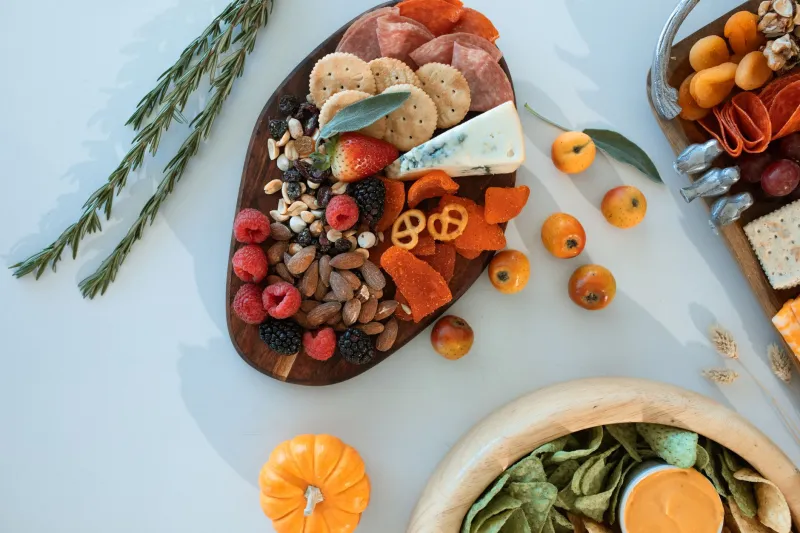
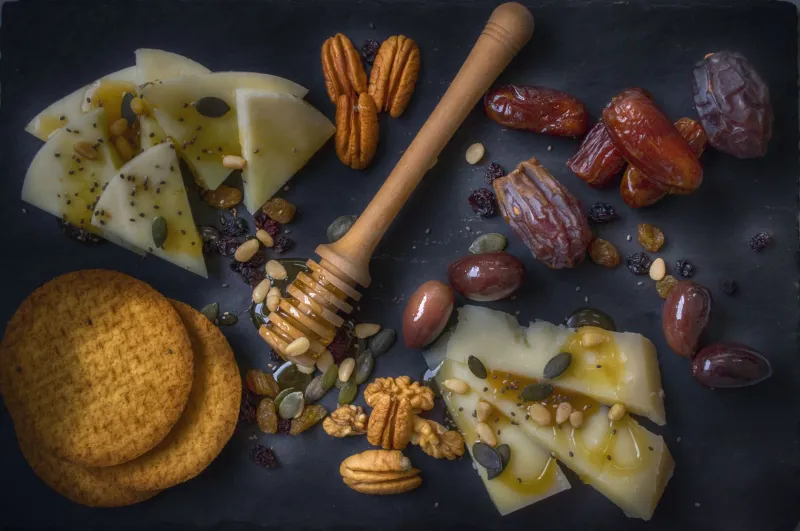
Social media and food content made cheese visually compelling in a new way. A stunning cheese board photographs beautifully. Cheese pulls are endlessly watchable. Cave-aging facilities look dramatic on a smartphone screen. The aesthetics of artisan cheese translate effortlessly to digital content, which has driven enormous discovery among younger consumers.
Subscription culture has also played a meaningful role. When you can receive a curated selection of artisan cheeses at your door every month — cheeses you might never have discovered in a standard grocery store — the category becomes accessible and exciting rather than intimidating. That's the entire premise behind what we do at CheddrBox: remove the guesswork, introduce the unexpected, and make the world of great cheese feel like an adventure rather than a homework assignment.
Where Things Are Headed
The artisan cheese movement in America shows no signs of plateauing. If anything, the next frontier looks even more interesting. Cheesemakers are experimenting with heritage breed milks — A2 dairy, sheep's milk, water buffalo milk — that produce distinctly different flavor profiles. The raw milk debate continues to evolve as producers and regulators navigate questions of safety and tradition. And a new generation of cheesemakers, many of them trained at programs like the Vermont Institute for Artisan Cheese, is bringing fresh technical rigor to an already rich craft.
For the American consumer, this means more options, more complexity, and more delicious reasons to push past the standard grocery store dairy aisle.
Your Next Step: Explore Beyond the Familiar
The journey from processed American singles to a cave-aged Comté or a bark-wrapped Harbison isn't as long as it sounds. It just requires a little curiosity and the right guide. At CheddrBox, we believe that the best way to fall in love with artisan cheese is simply to taste it — to hold a wedge of something extraordinary, read the story behind it, and let your palate do the rest.
Every CheddrBox is a small expedition: domestic gems you haven't tried yet, European classics worth revisiting, and the occasional wild card that becomes your new obsession. Because the great American cheese story is still being written, and the best chapters are the ones you discover for yourself.